
Ensuring your horse’s comfort and safety during colder months hinges on a well-fitted blanket. A blanket that’s too large can shift, causing potential hazards, while one that’s too small can restrict movement and cause painful rubs. Accurate measurements are crucial for optimal fit and protection. Here’s a comprehensive guide to help you measure your horse for a blanket.
Why Measuring Your Horse for a Blanket is Important
A properly fitted blanket provides essential warmth and protection without causing discomfort. It prevents:
- Dangerous shifting and sliding: A loose blanket can lead to tripping or entanglement.
- Painful rubs and sores: An ill-fitting blanket can rub against sensitive areas.
- Restricted movement: A tight blanket can hinder your horse’s natural movement.
- Wear and tear: Correct sizing prolongs the blanket’s lifespan.
- Improved comfort and well-being: Proper insulation is vital, especially in cold weather.
Tools You’ll Need for Measuring Your Horse
- Flexible Measuring Tape: A soft, fabric tape at least 80 inches long.
- A Helper: Assists in keeping the horse still and holding the tape.
- Notebook or Smartphone: For recording measurements.
- Quiet and Level Area: For accurate readings.
Step-by-Step Guide to Measuring Your Horse for a Blanket
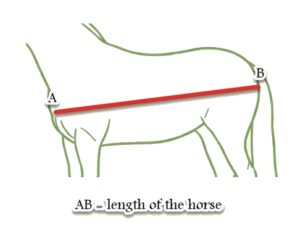
Blanket size primarily depends on the length of the horse, measured from the center of the chest to the base of the tail. While width and height are important for fit, the length measurement determines the overall size of the blanket.
1. Preparation
Ensure your horse is calm and relaxed. Have your helper assist in keeping the horse standing squarely on level ground.
2. Measuring Length
Measure from the center of the horse’s chest to the base of the tail. Keep the tape taut but not tight. Measure along the widest parts of the shoulder and hindquarters. Repeat the measurement to verify accuracy.
3. Measuring Width
Measure across the widest part of the chest. Measure from the withers to the point of the shoulder for neck width. Ensure the tape is neither too snug nor too loose.
4. Measuring Height
Measure from the highest point of the withers to the base of the tail. Hold the tape straight for accuracy. If the horse is uncooperative, try using treats or measuring on separate days.
5. Special Considerations
Assess the fit of leg straps, belly bands, and surcingles. Adjust straps as needed, ensuring a hand’s width between the strap and the horse. If straps are at their maximum adjustment, consider a different size.
Determining the Right Blanket Size
Round up to the nearest inch if your measurement is an odd number or between sizes.
Example: If your horse measures 73.5 inches, you would round up to 74 inches. Similarly, if your horse measures 77 inches exactly, you would purchase a 78-inch blanket.
Consider your horse’s conformation and comfort levels. A well-fitting blanket will allow you to fit a hand under the material around the neck and over the withers while the horse is in a grazing position.
Horse Blanket Size Chart
| Horse Height (Hands) | USA/UK (Inches) | Europe (cm) | Australia/New Zealand (Feet + Inches) |
| 9.2-10 | 53 | 85 | 4’3 |
| 10-11.2 | 56 | 90 | 4’6 |
| 11.2-12 | 59 | 95 | 4’9 |
| 12-13 | 60 | 105 | 5′ |
| 13-14 | 63 | 115 | 5’3 |
| 14-14.2 | 66 | 120 | 5’6 |
| 14.2-15 | 69 | 125 | 5’9 |
| 15hh – 15.3 | 72 | 135 | 6′ |
| 15.3-16.1 | 75 | 145 | 6’3 |
| 16.1-16.3 | 78 | 150 | 6’6 |
| 16.3-17.1 | 81 | 155 | 6’9 |
| 17.1hh + | 84 | 160 | 7′ |
Note: Sizes may vary between brands, so always check specific sizing guides.
Tips for Finding the Right Fit
- Snug Fit Around the Chest: Prevents gaps without restricting movement.
- Room for Shoulder Movement: Allows for natural movement.
- Full Coverage Along the Back: Protects from cold spots.
- No Gapping or Sliding: Ensures the blanket stays in place.
- Check Blanket Straps: Adjust for a secure and comfortable fit.
Regular Checks
- Measure your horse annually or after significant musculature changes. Horses can change shape due to changes in diet, exercise, or age.
- Check the fit of the blanket regularly throughout the season. Even a well-fitting blanket can shift or become ill-fitting over time.
- Pay attention to signs of rubbing or discomfort. Look for hair loss, bald spots, or irritated skin, which can indicate an ill-fitting blanket.
- Consider having your horse professionally fitted for a blanket. A professional fitter can assess your horse’s conformation and recommend the best size and style of blanket.
By following these steps and paying close attention to your horse’s comfort, you can ensure their blanket fits perfectly, providing comfort and protection throughout the colder months.